
Pachinko
Pachinko as a Unique Form of Arcade Entertainment in Tokyo and Osaka
Understanding the Basics of Pachinko
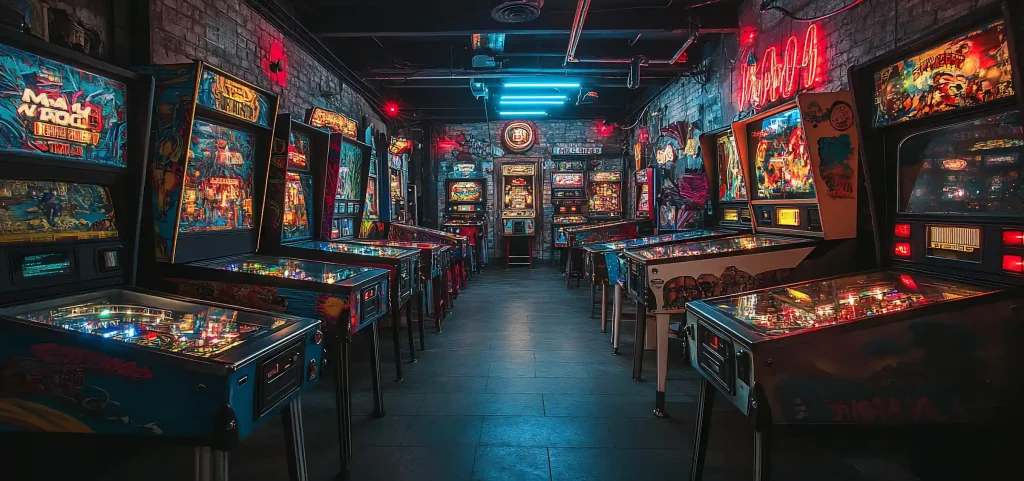
Pachinko is played on a vertical machine where small steel balls travel downward across a surface filled with precisely positioned pins. The core idea is straightforward: guide the balls toward certain zones that can release additional balls or open new chances to continue playing. Even for newcomers, the basic concept is easy to follow and quick to understand.
Pachinko in Tokyo and Osaka: Why No Two Sessions Feel the Same
What sets pachinko apart from classic arcade games is the balance between observation and unpredictability. Players decide when to begin and closely follow the movement of each ball, but the final result is never entirely controlled. This mix of choice and chance ensures that every session feels new, engaging, and slightly unpredictable.
How a Session Unfolds
A typical session begins as steel balls are released from the upper area of the machine. As they descend, the balls bounce between pins, change direction, and form a steady, flowing motion that many players find relaxing to watch. Key moments occur when balls reach special zones, triggering features such as bonus balls or extended play options.
Interaction and Familiarity Over Time
While randomness remains central, experience can offer a subtle sense of influence. Small changes in timing or pressure may gently affect how the balls move. Since each machine has its own pin layout and behavior, repeated visits naturally encourage learning and a deeper connection to the gameplay.
Continuity and Progress
Positive outcomes may result in extra balls or reward items that can be collected and exchanged later. This layered structure creates continuity beyond a single round, giving each visit a sense of progression. As a result, pachinko offers more depth than a brief arcade-style activity, supporting lasting interest across multiple sessions.
The Origins of Pachinko
Pachinko began to form in the early twentieth century, influenced by simple pin-based amusement games that arrived from abroad. These early ideas were gradually reworked to match local preferences, laying the groundwork for what would later become pachinko. In its earliest stage, the game was mainly intended for younger players and focused on short, casual moments of play rather than long sessions.
From Simplicity to Greater Depth
As time passed, pachinko evolved step by step. Machine construction became more refined, pin layouts grew increasingly complex, and new mechanical elements were added. The later introduction of electronic features brought additional layers to the experience. What started as a modest diversion slowly developed into a more immersive activity, encouraging longer visits and deeper engagement.
Pachinko in Tokyo and Osaka: The Rise of Modern Halls
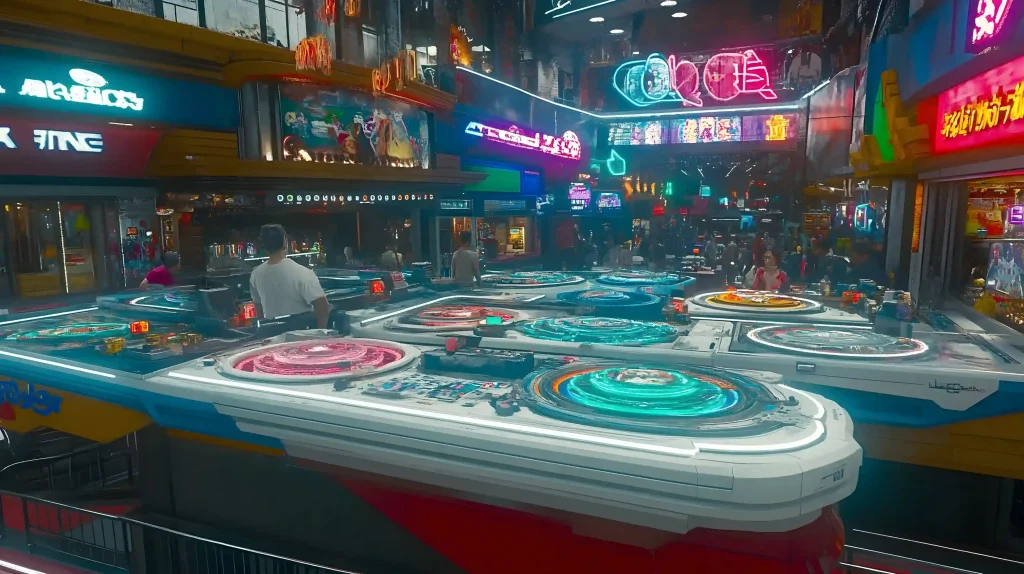
With broader access to leisure during periods of social change, pachinko became part of everyday entertainment. Ongoing technological progress led to larger venues and more expressive designs, shaping the halls familiar today. In major cities such as Tokyo and Osaka, pachinko venues grew into lively, well-organized spaces that reflect both the game’s early roots and its continuous evolution.
Built with Care and Intention
Every pachinko machine is designed with precise attention to structure. Pins are positioned close together with exact spacing, guiding steel balls across the surface in carefully controlled ways. Basic physical forces work alongside subtle, unpredictable shifts in movement, meaning results can never be fully forecast. This balance ensures that each session feels unique, engaging, and interesting to watch.
An Active and Shared Setting
Pachinko halls function as open, communal spaces rather than solitary play zones. Visitors naturally notice one another, share brief reactions, and take part in the same lively atmosphere. This shared presence adds a social dimension, allowing even short visits to feel interactive and connected.
Structure That Creates Continuity
A well-defined exchange system gives every visit a sense of flow. Favorable moments may result in tokens or items that can be used later, connecting individual sessions into a broader, ongoing experience. This structure helps pachinko feel consistent and purposeful, rather than random or disconnected.
More Than Leisure: A Living Cultural Form
While pachinko originally drew inspiration from outside Japan, it gradually developed a distinct local character. Over time, it adapted to everyday leisure habits, focusing on relaxed participation and shared enjoyment instead of direct competition. Today, pachinko continues as a living cultural practice—shaped by modern influences while remaining rooted in long-standing social traditions.
Pachinko in Tokyo and Osaka: How It Differs from Traditional Arcade Games
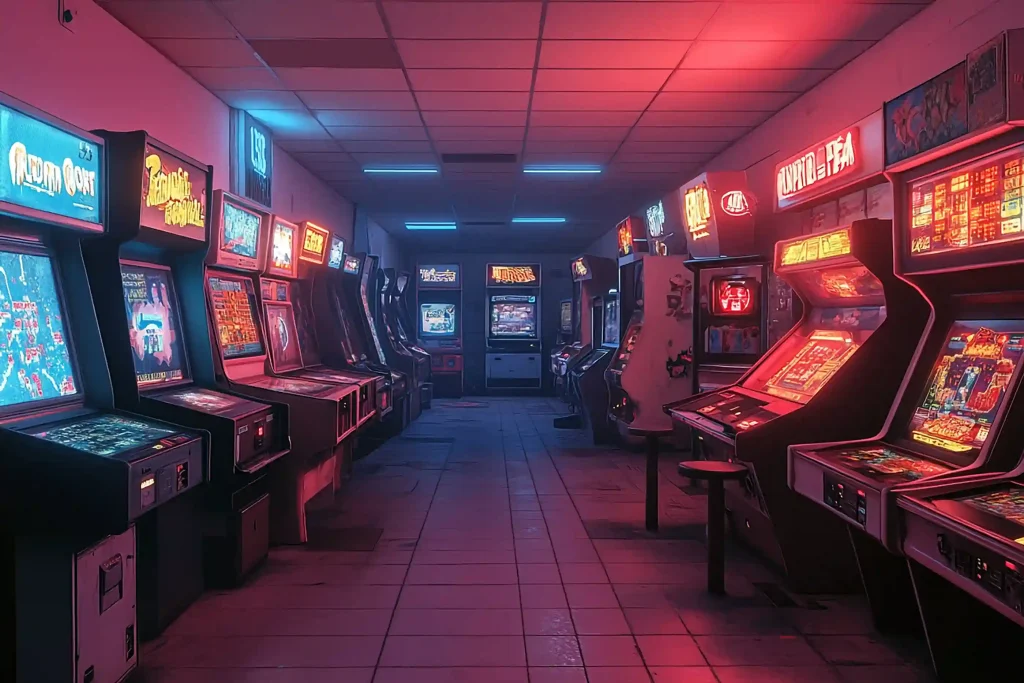
At a quick glance, pachinko can resemble classic arcade entertainment, yet the experience operates on a very different principle. Instead of focusing on digital inputs or pre-programmed sequences, pachinko is shaped by real physical motion. Steel balls travel downward through the machine under gravity, interact with precisely placed pins, and respond to mechanical elements that subtly influence their direction. Because these movements are physical and constantly shifting, no two sessions unfold in exactly the same way.
Player involvement in pachinko is continuous rather than moment-based. Instead of triggering an action and waiting for a result, players actively watch the flow of the balls, make small adjustments, and respond to changes as they happen. Much of the engagement comes from observing patterns, noticing slight timing differences, and understanding how each machine’s layout guides the movement.
The Mechanical Foundation of Pachinko
At its core, pachinko relies on tangible mechanics rather than purely visual effects. Once released, the steel balls pass through a dense field of pins, where even minor changes in angle or speed can affect their path. Because the exact outcome can never be fully anticipated, each session carries a sense of variation.
Careful engineering and deliberate pin placement create a balance between reliability and randomness. This combination of structured design and natural unpredictability gives pachinko its distinct rhythm and clearly separates it from most conventional arcade-style games.
How Pachinko Has Changed Over the Years
Modern pachinko machines differ greatly from the earliest designs. Today’s models commonly include electronic systems, animated screens, and interactive features that add movement and visual depth to each session, creating a more immersive experience.
Despite these updates, the essential framework has stayed the same. Steel balls, pin-guided paths, and the recognizable vertical format continue to define how the machines operate. New themes, visual layers, and added functions are built on top of this classic structure, allowing pachinko to evolve technologically while preserving the identity that has defined it for generations.
Cultural Perspectives
★★★★★
“Pachinko distinguishes itself through precise mechanical design and direct player engagement. Every element feels deliberate, and even after repeated visits, the experience stays fresh, engaging, and consistently satisfying.”
— Editor, Arcade & Interactive Culture
★★★★★
“The constant motion within the hall, combined with its open and shared layout, creates a social rhythm that feels truly distinctive. This sense of flow clearly separates pachinko from more traditional arcade spaces.”
— Analyst, Entertainment & Leisure Industries
★★★★★
“As players grow familiar with the basics, pachinko’s long-term appeal becomes clear. The balance of unpredictability, hands-on involvement, and a calm competitive atmosphere keeps each session enjoyable over time.”
— Reviewer, Culture & Lifestyle
Pachinko in Tokyo and Osaka: Structured Play Within Everyday Life
In Tokyo and Osaka, pachinko functions as part of an organized, repeatable system rather than a one-time activity. Each visit fits into a clearly defined structure where play follows familiar steps. Balls collected at machines are later exchanged at specific counters for designated tokens, which can be used to continue participation or access certain items. This process creates a sense of progression, linking one visit to the next instead of treating each session as isolated.
Supporting this visible routine is a broad operational framework. Machine design, regular upkeep, venue oversight, and daily coordination all work together to keep halls running smoothly. The focus is on consistency and long-term stability, combining visitor comfort with clear rules and efficient organization behind the scenes.
On a social level, pachinko halls often become part of daily life. Familiar faces, repeated habits, and small, recurring interactions give these spaces a steady rhythm. Over time, this repetition helps shape informal communities built around presence, routine, and shared familiarity rather than novelty alone.
Beyond leisure, pachinko also sustains a wide network of related industries, including manufacturing, logistics, and various service operations. Through these connections, it supports ongoing economic activity across multiple sectors. Today, pachinko continues to exist as a carefully maintained system—one that blends structured processes with engaging experiences, allowing it to remain stable, relevant, and active over the long term.